
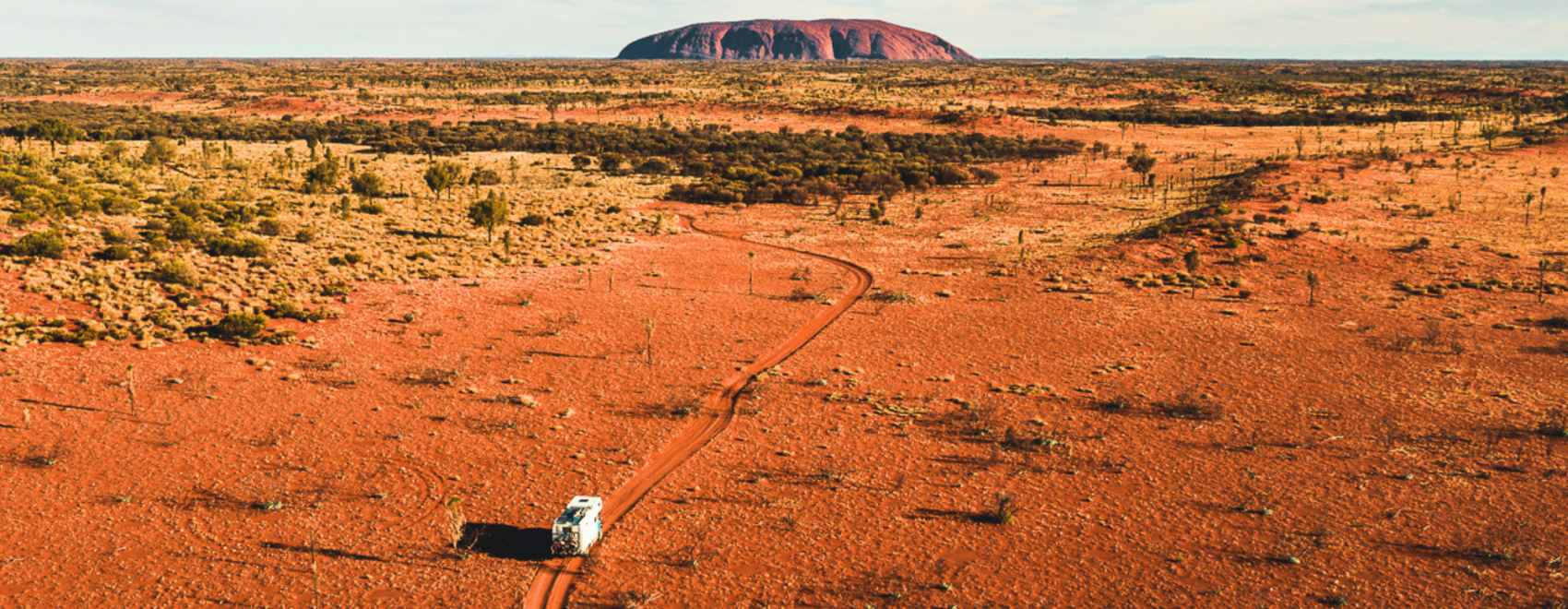
My 5-part “Overland Conservation” series, originally published in Overland Journal, is now available online through Expedition Portal.
This series is dedicated to Coen Wubbels, who even in sickness was willing to contribute to the final article in this series from his worldwide catalog of photographs. Thank you for everything. We will keep your memory alive.
Somewhere in Colombia, or maybe before that in Central America, I started wondering what responsibility we had as international overlanders who travel through ecosystems far away from home. I had questions like these:
- In areas where water is scarce, is it ethical to fill up your tank and drive away?
- Or in places like Peru where trash is piled along roadways, what is the constructive alternative to disgust?
- In places where people do not go far–perhaps they don’t own a motorized vehicle of any kind–what do I do with the privilege of being able to arrive and leave whenever I want?
They were big questions.
What I pitched as one article multiplied into a five-part series that took more than 17 months to complete. Per normal, my wonderful editor, Tena Overacker, slowed me down and focused me in.
Rather than allowing my philosophical mind to run wild, Tena asked me to examine five specific ecosystems and share practical advice for how we can care for these ecosystems when we pass through as overlanders. Here are the five ecosystems I ended up highlighting:
- Beaches and Oceans
- Forests
- Deserts
- Grasslands
- Tundra
For the first time, all five articles in the series are available to read online via Expedition Portal.
Beaches and Oceans
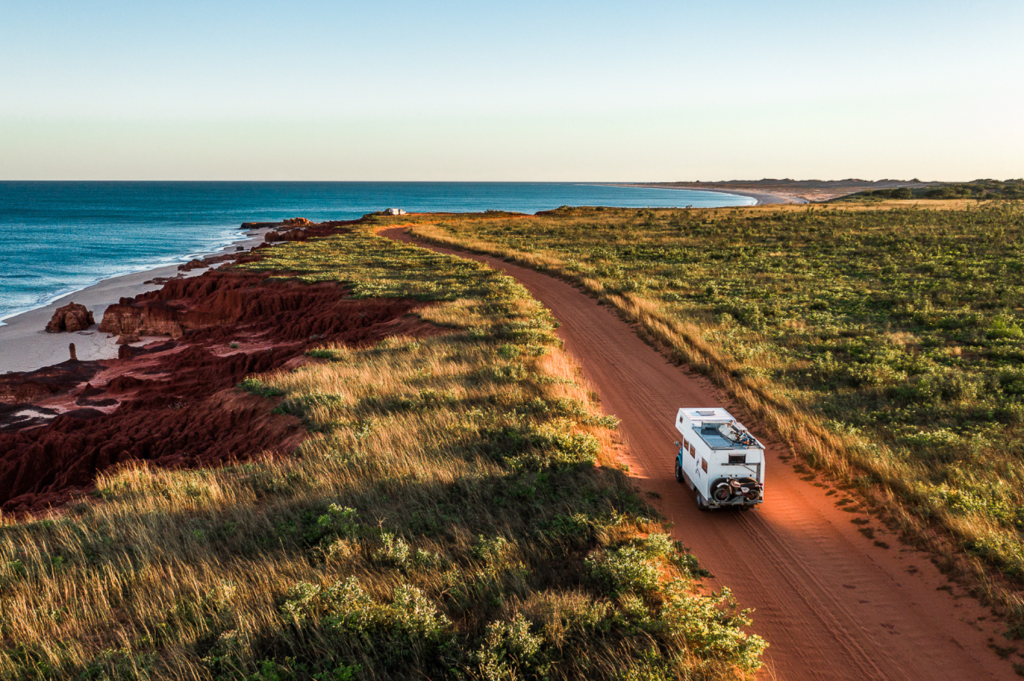
Originally published in the Spring 2024 issue of Overland Journal
Am I the only one who has willed my eyes to stop blinking when confronted by a vibrant sunset at the beach? I can’t bear to miss a moment. Salt particles suspended in the air cause shorter wavelengths of light, like violet and blue, to scatter. As a result, showy reds and neon pinks overtake the sky….
“….Earth has 375,000 miles of coastline, and over a third of the world’s population lives within 60 miles of the sea. Here are positive steps you can take to treat beaches and oceans with care.
In this first article, I set the format for all subsequent articles. I list at least five practical things overlanders can do to take care of the ecosystem when they visit. In “Beaches and Oceans,” steps include things like driving on beaches with care to protect nesting birds and turtles, and considering sunscreens that don’t contain reef-harming chemicals.
Read the full article on Expedition Portal.
Forests
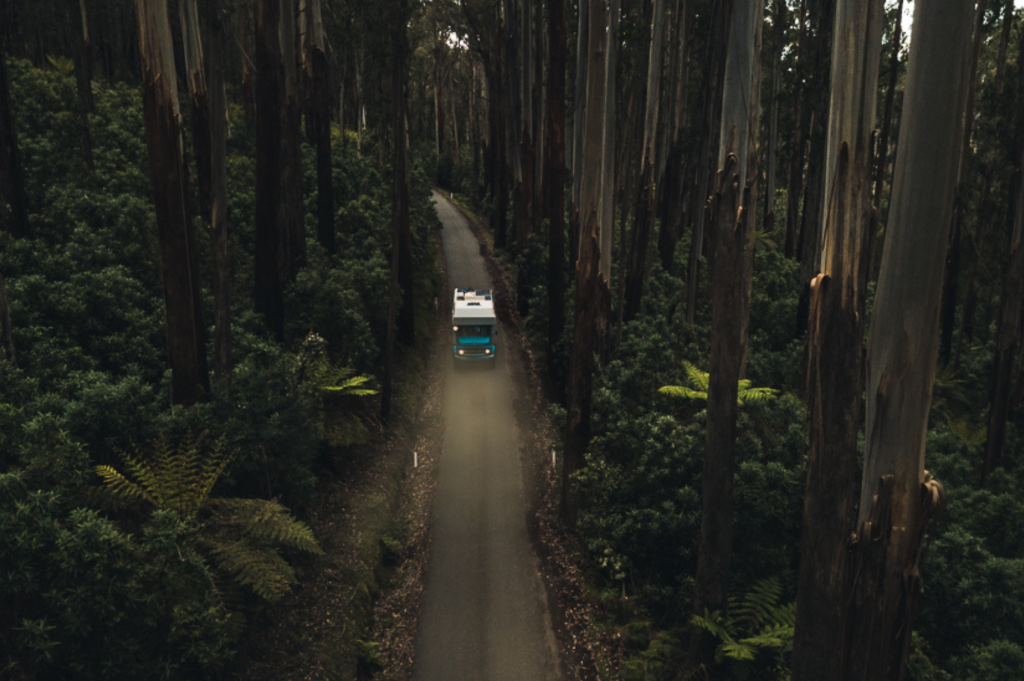
Originally published in the Fall 2024 issue of Overland Journal
Looking back on a decade of full-time, vehicle-based travel, my most beloved nights camping in the United States have taken place beneath a forest canopy. With limited exceptions, public forest land is open for overland exploration. National forests contain maintained trail networks, established campgrounds, and vast dispersed camping opportunities. Access to Bureau of Land Management (BLM) land tends to be even more flexible. Though no amenities are provided within BLM territory, there is the freedom to choose your own adventure across remote, wild spaces….
My “Forests” piece contains suggestions on how to prevent wildfires being sparked by your vehicle, and why to respect wood collection rules. I try to be as clear as possible about why these things matter, rather than simply presenting a list of arbitrary “to-do’s.”
Read the full article on Expedition Portal.
Deserts
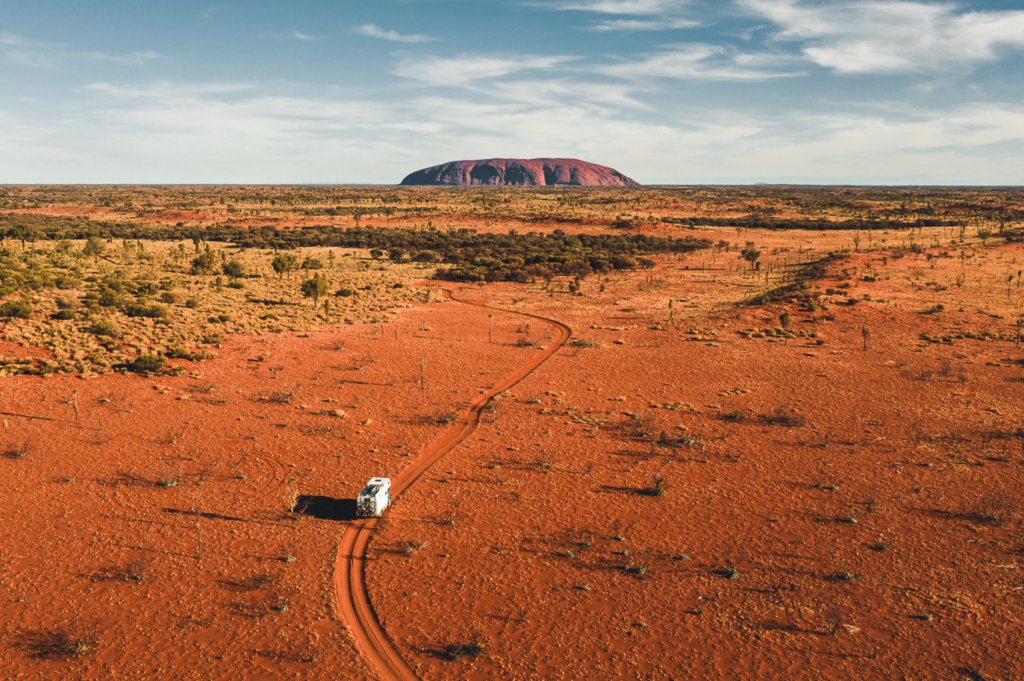
Originally published in the Winter 2024 issue of Overland Journal
Conditioned from childhood to view the desert as a place where rain doesn’t fall, things don’t grow, and life can’t thrive, we can be surprised by what we encounter when we go. Camped off a remote trail system in the region outside Phoenix, Arizona, just before the first day of spring, my husband and I found ourselves stymied by a peculiar sound. Too inexperienced to grant anything but a human cause, we guessed a 4WD outing had gone mechanically sideways. The scratchy, jarring sound continued on and off for hours. Imagine our surprise when the nonchalant culprit wandered from the brush—the local burro….
This part of the series has a special place in my heart. We have driven through and camped in deserts on three continents during our overland journey, and they’ve all delighted my heart. Just a few include Arizona’s Sonoran Desert, Colombia’s Tatacoa, Chile’s Atacama, and Namibia’s Namib Desert.
Read the full article on Expedition Portal.
Grasslands
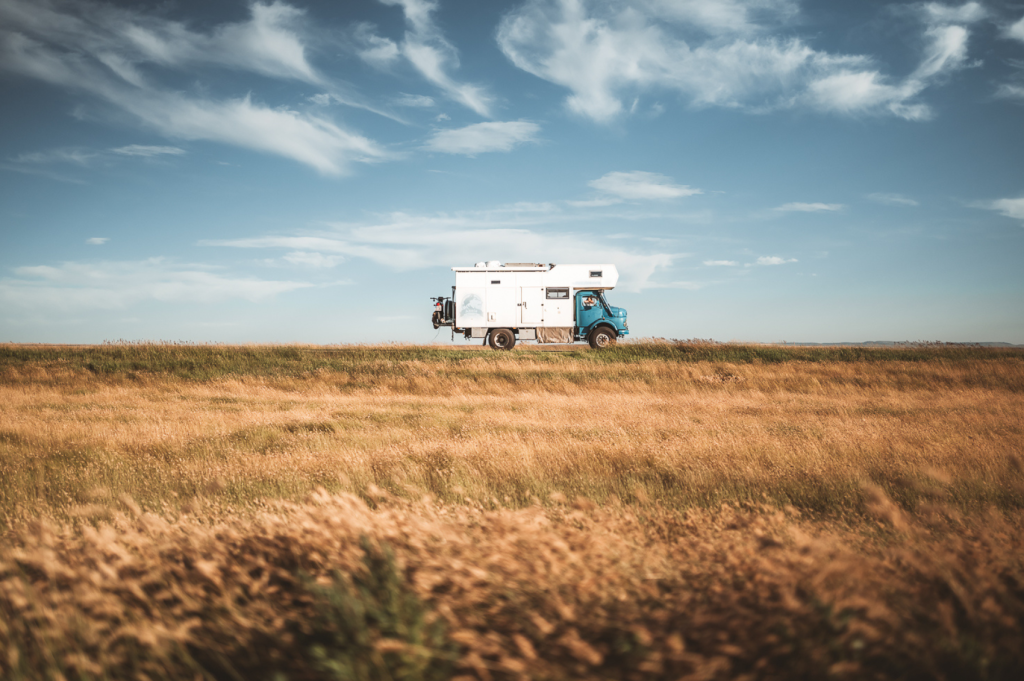
Originally published in the Spring 2025 issue of Overland Journal
The Silk Road holds mythical status among historical overland routes. When today’s travelers stalk the shadow of Marco Polo, the respect they earn is not only for their accomplishment but partially because of our awe surrounding the Silk Routes’ history dating back to 130 BCE during China’s Han Dynasty. Yet this network of famous trade roads has a lesser-known predecessor. The Steppe Route predated the Silk Routes by a yawning 2,000 years. As the Knossos palace complex welcomed its first occupants on the island of Crete and the Bronze Age began in China, horses, silk, furs, weapons, and precious stones were transported up to 6,000 miles over the vast grasslands of what is now Asia….
It was at this point the series began to get more challenging. Oceans, forests, and deserts all hold a bit of mystery–even magic. But grasslands? It wasn’t until I began to research the history of these spaces of the world, and consider my time in them, that this article came to life. I’m really pleased with how it turned out.
Read the full article on Expedition Portal.
Tundra
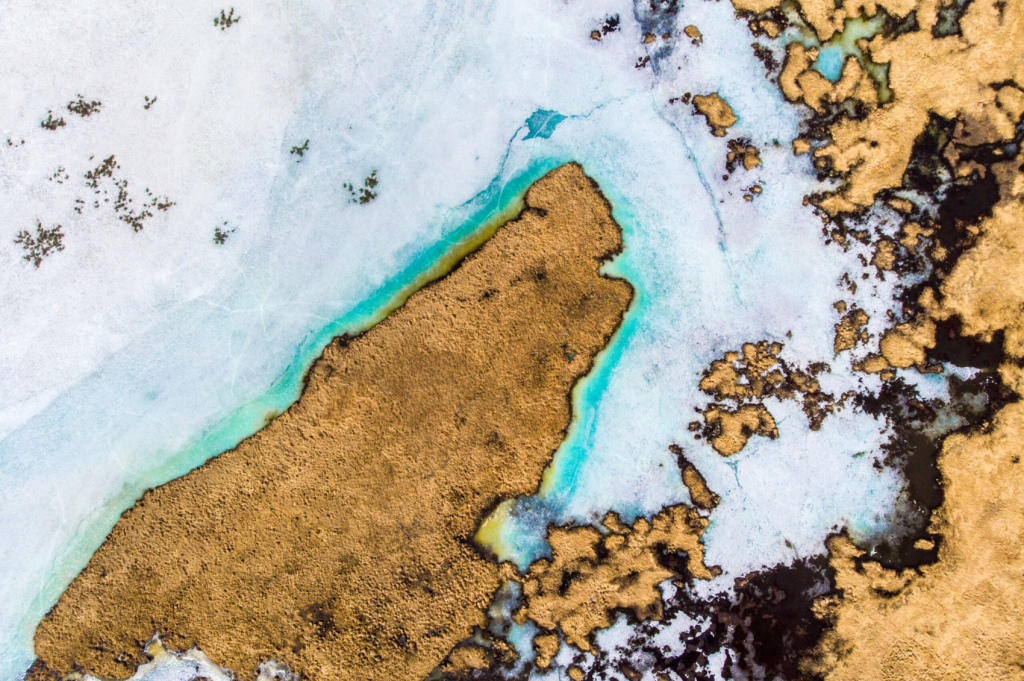
Originally published in the Winter 2025 issue of Overland Journal
We are called by the wild, the spaces where we can turn 360 degrees without seeing another human, paved road, electric wire, or crop field. At times, though, we misunderstand history while we crave for calm. We begrudge other humans intruding onto land that used to be “undiscovered.” But this is largely a mythical narrative. People have inhabited the coastlines, forests, and grasslands for thousands upon thousands of years. If anything, the change lies in humanity’s impact on the land. It used to be light and difficult to trace—tracking was a practiced skill handed down from generation to generation. Today, our collective impact is jarring: tire ruts, wind farms, and oil slicks. These we long to escape, though we are the cause….
If “Grasslands” was challenging to write about, then “Tundra” was much more so! My photography partner for this series, Leander Nardin (Akela World), didn’t have a broad selection of photographs to provide for this remote ecosystem. True tundra only exists in the far-reaching polar regions, as well as throughout the highest altitudes of mountain chains. Many overlanders will never set foot on tundra.
I needed photographs, so my editor Tena turned me towards overlanding legend Coen Wubbels, who had been overlanding the world for more than 20 years with his Land Cruiser and partner Karin-Marijke. I was so privileged to partner with Coen for this piece. It was my only chance, as we lost him to a brain tumor on May 27, 2026. I will never cease to be grateful for this small intersection of our lives in a cause important to both of us: protecting this beautiful world for those who come behind us.
And with Coen’s help, the series came to a close. I penned this conclusion:
In June 2023, I pitched a single article that would examine our collective environmental responsibility as travelers. I wanted to answer the question, “As international overlanders, what do we owe our host countries and the natural world they inhabit, if anything?” After what was reimagined as a five-part series, I think you know where I landed: a place where we’re willing to set aside our consumer mindset and willingly contribute to ecosystems we will soon leave.
The step beyond is mentorship, a necessary component if we want these conservation principles to reach those younger or newer to the overlanding lifestyle. Once upon a time, I didn’t know the importance of choosing disturbed campsites, utilizing established fire pits instead of building my own, traveling in small convoys rather than large groups, or burying waste to a specific depth. I had to learn all of those things over time. My hope is that this series has empowered you and given you the tools to do better in the future.
Thank you for reading this far. Thank you for supporting Overland Journal and Expedition Portal, both with a legacy of mentorship in the overland space. It is my deep privilege to be a small part of this effort.
-B

Leave a Reply